navigation

PhotobucketPhotobucketPhotobucketPhotobucket

Tuesday, October 22, 2013

Green Tips for Watching the World Series


Wooohoo! Boston is in the 2013 World Series! While watching our boys crush the Cardinals, here are a few ways to green your baseball viewing:

1. Stay local. No need to trek to a bar across the city to watch the sox, the games sure to be showing in every bar and in every apartment in the city, so choose a venue near you.

2. Choose vegetarian snacks. Something about watching sports just makes ya hungry. Be green by ordering the veggie nachos instead the beef chili variety.

3. Choose organic and local beverages. Sam Adams just screams “Go Boston!” and bonus points if you go with an organic beer like Peak.

4. If you’re watching at home, check your energy vampires at the end of the night. See that red or green light on your dvd player? That means it is drawing energy from the outlet. Turn off power cords and unplug appliances once the game is over – and go celebrate!

Monday, October 21, 2013

New Perspectives: Managing Waste and Climate Change


Whenever people discuss climate change, the conversation usually revolves around fossil fuels. Yet, there is another source of greenhouse gases that is not usually considered when amateur climatologists get together.

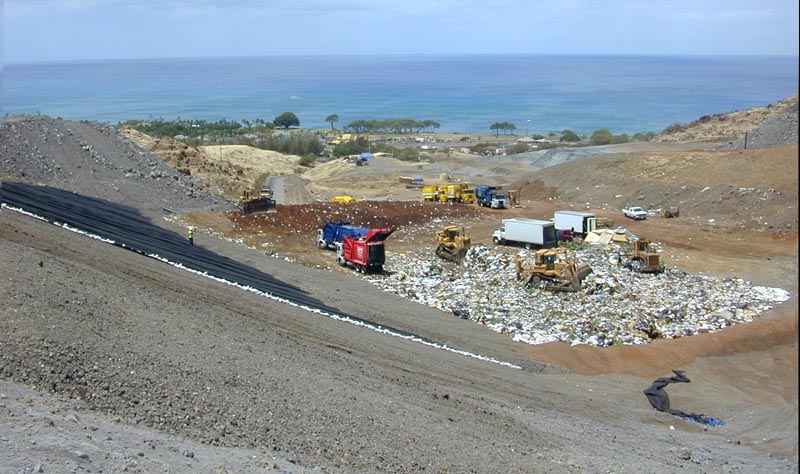
The waste management industry accounts for roughly 1-5% of all greenhouse gas emissions in the U.S. That may seem like a relatively small amount, but when you consider that garbage production rates have nearly tripled since the 1960’s, the problem comes into focus. The ever-increasing amount of garbage produced in the United States could potentially make waste management an even greater source of carbon dioxide and other GHGs in the future.

If you examine the average waste collection process in the U.S., you would see that each step of the process introduces greenhouse gases into the atmosphere. First, there’s the collection of the trash itself which requires the use of either a truck or car. Then the garbage truck has to transport the trash to a facility, such as a transfer station or landfill. Eventually, some portion of the trash ends up in a landfill where it will slowly break down anaerobically, producing methane and carbon dioxide.

Methane is a much more potent greenhouse gas compared to CO2 - making landfills a very worrisome contributor to climate change. Fortunately, all modern landfills incorporate ventilation systems that scrub the gases given off by landfills. Some landfills even burn up the methane or convert it to a liquid form that is of the same quality as natural gas. Currently, there are just fewer than 600 landfill gas-to-energy sites in the United States providing roughly 1.8 megawatts of electricity total. Such facilities are increasingly being sought after by state governments as they demonstrably reduce the eco footprint of both existing and closed landfills, and can generate a large amount of electricity.

Even though the waste management industry is working to reduce its share of GHG emissions; the best solution to curb the impact of trash on the climate is to stick to that old mantra: reduce, reuse, recycle. Reducing your overall consumption of goods means fewer resources have to be used up to produce new
goods. And reusing materials is always better than recycling because recycling uses up a lot of energy,
producing more CO2. But if all else fails, make sure that as much of your waste as possible ends up in the recycling bin.

Author: Kevin Roberts is a content writer for the national dumpster rental company, Budget Dumpster.

Friday, October 18, 2013

Column for CBS Local


I have some exciting news: I'm now a contributor to the CBS Local Boston blog. I'll be focusing on green living in Boston (duh!). The posts will include how-to tips, news, and best of Boston lists. Click here to see my posts so far and to follow the column.

Thanks for your support!

Thursday, October 17, 2013

Reminder: Register for NEWIEE Autumn Extravaganza


WHERE: Blu at The Sports Club/LA, 4 Avery St., Boston, MA

WHEN: Monday, October 28, 2013 6:00PM-9:00PM

WHY: To celebrate women's contribution to the energy and environmental fields in New England! The event is open to all and will be a great way to network and meet other local innovators. The event is open bar and will include heavy appetizers. Learn more and register here.

Wednesday, October 16, 2013

Spotlight: Boston Organics


In honor of Fair Trade Month, this week's spotlight is on Boston Organics. Boston Organics is a grocery delivery service that provides organic and local produce, eggs, meat, and even fair trade coffee and chocolate! Boston Organics makes eating healthy super simple. Customers can choose from a variety of organic boxes: local foods, only veggies, only fruit, office boxes, etc. And there are difference box sizes so people can choose the price range that is right for them. (This is perfect for city dwellers with small households). 

The company not only provides organic and local foods to customers, but also is involved in many community initiatives, and is on a mission to lower their environmental impact. 

Finally, the Boston Organics website is great because it features weekly recipes and they have lively social media accounts. I, for one, love using Pinterest to store my recipes, so I was excited to see that Boston Organics has a frequently-updated account.  

Tuesday, October 15, 2013

October is Fair Trade Month


Yep, we are about halfway through Fair Trade Month. We, of course, should be supporting Fair Trade initiatives all year round, but in particular, October is a great time to renew your commitment to purchasing only ethically sourced food, clothes, and homegoods.

Here are a few places you can find Fair Trade goods in Boston:

- Ten Thousand Villages, 252 Washington St., Boston 

- Equal Exchange Cafe, 226 Causeway St.,  Boston

- City Feed & Supply, 672 Center St., Jamaica Plain

Learn more about Fair Trade efforts in Boston: http://www.fairtradeboston.org and check out some of the best fair trade picks for fall.

Monday, October 14, 2013

New Perspectives: Green Air Conditioning


Whether due to energy costs or a nagging guilt regarding your carbon emissions, it can be difficult to compromise with using your air conditioner during the peak of Summer and your heater in the dead of Winter. However, through smart practices, using less energy while keeping your home comfortable means never having to compromise on how comfortable you want to be. Not only will these practices reduce your energy costs, but they’ll also promote cleaner indoor air and a longer-lasting HVAC system.

1. Let Mother Nature do the work for you. While there are several cutting-edge energy efficient technologies for producing conditioned air as cleanly as possible, nothing beats opening the windows and letting your house cool down naturally. Ventilation is the greenest, freshest approach to good indoor air quality – and it’ll even improve the air quality of your home. This will ventilate harmful gasses, microorganisms, allergens, and pollutants that risk respiratory illness. During the coolness of early mornings and the late evenings, opening windows can make a difference of several degrees on your indoor environment. Using a fan to draw in more air can be far more energy efficient and comfortable than starting your air conditioner.

2. Be smart about when you use your AC. There are several damaging myths floating around about the best way to use an air conditioner. Some insist that keeping a system on at one consistent temperature is the best way towards energy efficiency – which is completely bogus. Air conditioners work harder to maintain a steady temperature than when only used as needed. Another belief is that closing vents in certain rooms can reduce the energy output of your system. Again, this is false; closing a vent in one room should only be a temporary solution in achieving comfort and should never remain closed for a long period of time. A closed vent means that an air conditioner will have to work even harder to reach that one room in central air conditioning systems, since these can only control the temperature of the house as a single unit.

3. Keep your system clean to achieve green. When you do require use of your thermostat, it’s better to ensure that your system is as efficient as possible so that no energy is wasted. By cleaning elements of your system as necessary, you can vastly improve the lifespan and efficiency of a system. Some routine procedures to consider include scrubbing or changing filters, cleaning evaporator and condenser coils, and vacuuming your duct when it becomes too filled with debris. Filters should be cleaned or changed anywhere from every one to three months depending on the allergies of those in your household or if you have a great deal of dust and hair in the environment. Coils can be cleaned using an inexpensive foaming cleaner and it is a relatively simple procedure. Your duct can usually go without cleaning since dust clinging to the interior ductwork is harmless, but if there are large particulates, pests, or mold concerns, a cleaning may be in order for better efficiency and healthier air. With these tips in mind, any home owner can experience cleaner, greener conditioned air without worrying about the size of their carbon footprint. What other tips would you
recommend for keeping cool without wasting energy?